Start with the land, not the cabin
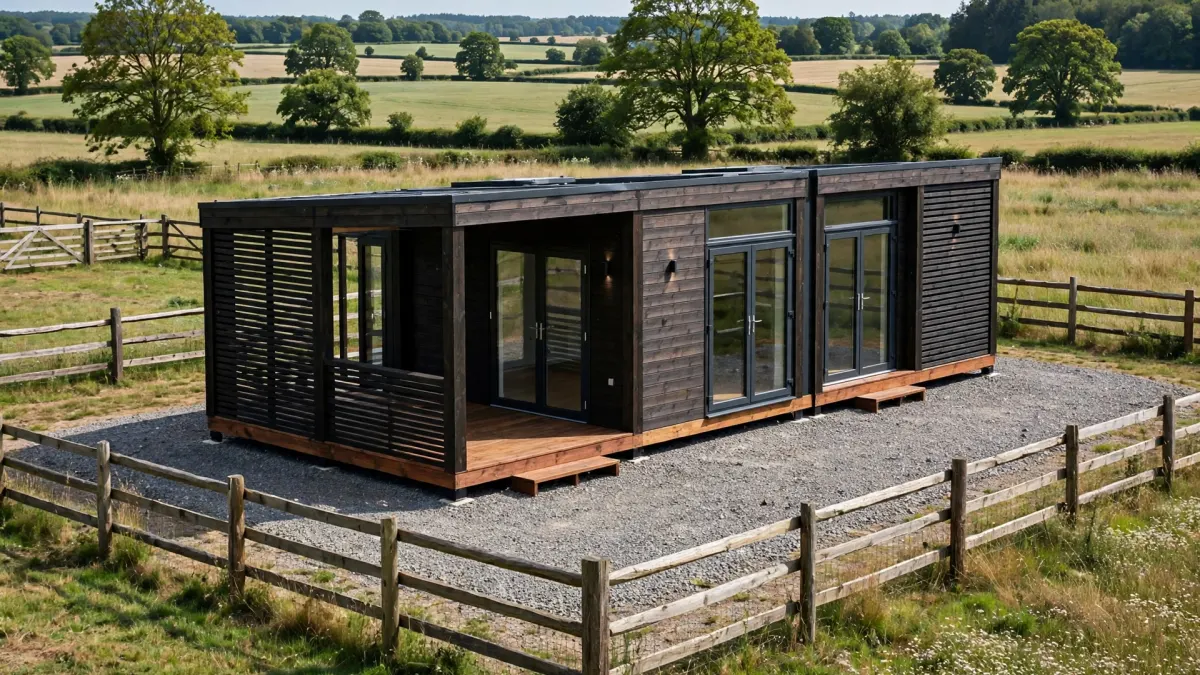
A modular cabin may be a factory-produced asset that can be moved, but the project begins with a specific parcel and a specific right to use it. On leased land, establish what the lease actually permits: the activity, the area available, the occupation period, delivery and removal access, and the works allowed. A phrase such as “commercial use” may not answer whether overnight accommodation, short-stay hospitality, staff housing, storage, or a cluster of cabins is permitted. Ask the landlord and a local land-use professional to interpret the permitted-use wording against the real operating plan.
Read the lease with its site plan, estate rules, planning conditions, utility agreements, and side letters. Check which document prevails if descriptions conflict. Do not assume informal encouragement is written consent, or that permission to occupy land includes permission to install a building. Record the parcel identity, cabin footprint, access route, intended use, and approvals still outstanding before ordering.
A useful first meeting should include the person who controls the land, the lease adviser, the local designer, and the destination-side permitting contact. Ask each to identify the document or authority that can resolve their part of the question. The goal is not to reach a legal conclusion from a checklist; it is to expose mismatches while the layout, specification, and commercial commitment can still be changed.
Lease term and useful life are different clocks
A cabin may remain serviceable beyond the period for which the land is available, but that does not make the lease long enough for the project. Compare the initial term with renewal options, notice periods, break rights, extension conditions, and the time needed to install, operate, maintain, remove, and restore the site. Ask local counsel how each provision works under the governing law; do not treat an option as guaranteed time until its conditions and exercise process have been checked.
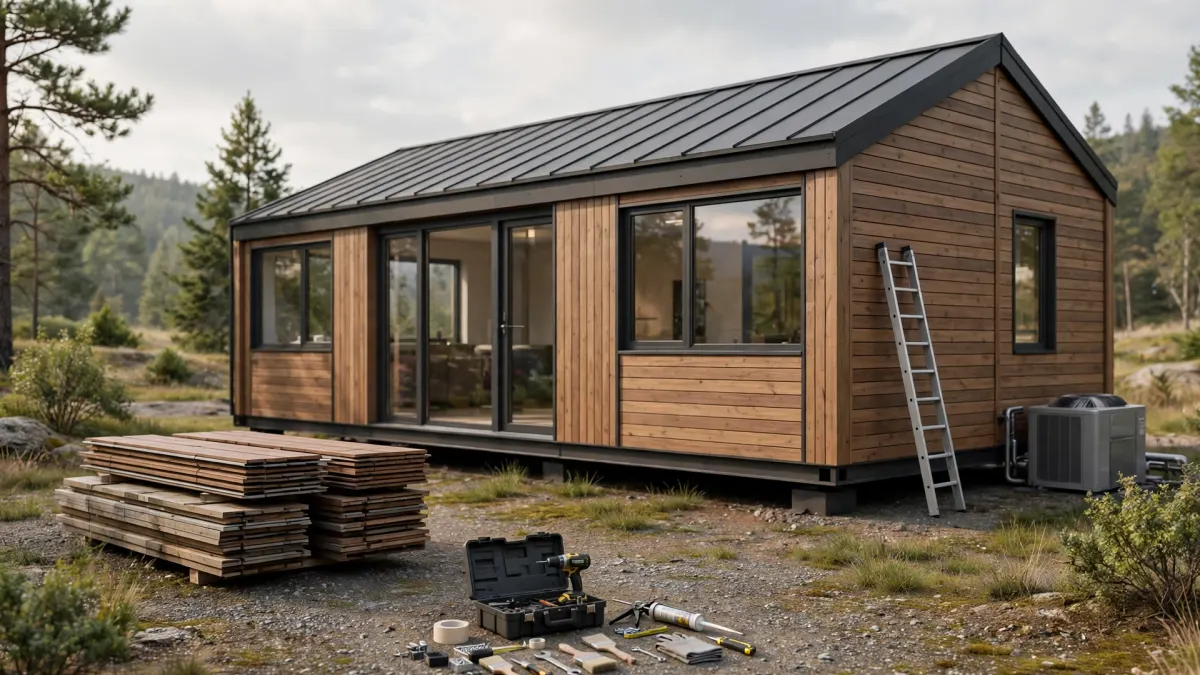
Build a timeline beyond the lease commencement date. Include landlord consent, planning and building review, site preparation, foundations, utility connections, delivery, local installation, inspections, opening, maintenance, and eventual removal. The destination-side team—not the factory—must arrange foundations, local installation, utilities, permits, inspections, and final approval. Those activities consume time and their sequence depends on local requirements.
Test a delayed-start scenario. If access is postponed, an application needs revision, or utility work takes longer than expected, does the lease clock continue? Ask whether rent commencement, construction access, or extension provisions address delay, then obtain local advice on their effect. Also compare the lease end date with the date by which the cabin must be vacated, not merely the date operations stop. The useful question is not only “How many years remain?” but “How much usable operating time remains after every required step?”
Permission to place a building is not permission to operate
A landlord may be willing to let a tenant place a cabin on the land while the lease, estate covenants, planning rules, or local authorities impose separate limits on construction or use. Confirm whether written landlord consent is needed for the cabin, foundations, anchoring, decks, steps, ramps, fences, parking, signs, external plant, drainage, and utility routes. Ask when consent must be obtained: before drawings are finalized, before ground is disturbed, or before contractors enter.
Separate private consent from public authorization. A landlord’s approval does not establish that zoning, building, fire, environmental, accessibility, health, or other requirements have been met. A public permit does not necessarily remove a lease restriction. Florida’s published manufactured-building guidance, for example, distinguishes factory-manufactured building matters from site-related work such as foundations and utility connections, which remain subject to local permitting and inspections. That is a Florida example, not a rule for other destinations.
Describe the actual use accurately. A site office may be assessed differently from overnight accommodation, food service, worker lodging, or paying guests. Have local professionals identify the occupancy and approval pathway before purchase. The factory can provide product information and agreed drawings, but it cannot decide the destination’s land-use classification, issue local permits, perform local inspections, or grant final approval. Ask the relevant authority what application is needed, who may submit it, and which drawings or site details must accompany it.
Removal rights need engineering detail
A lease may refer to removing a cabin or tenant property at the end of the term. That phrase is not a complete removal plan. Ask the lease adviser to identify the property covered, deadline, required site condition, permitted access, equipment that may be used, and whether the landlord must approve the contractor or method. Confirm whether the right applies after expiry, early termination, a sale of the land, or a dispute, and whether the tenant has enough notice and access to act.
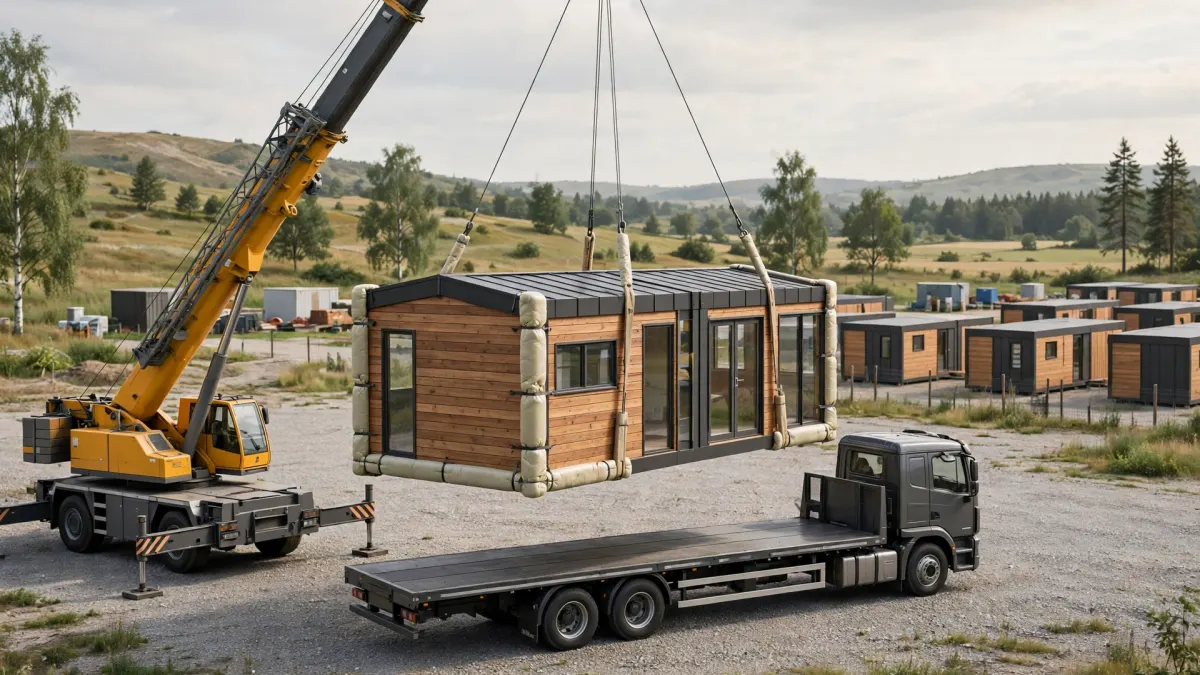
The physical method matters. A cabin may be transported as one unit, separated into modules, or dismantled in stages, depending on construction, connections, transport route, and local rules. Before ordering, ask the manufacturer for documented lifting points, transport configuration, disconnection interfaces, and handling limitations. Have a destination-side engineer and qualified removal contractor review the method, site access, crane or vehicle positioning, overhead services, ground conditions, and route restrictions. “Relocatable” does not mean removable from every site without preparation.
Clarify who pays for disconnection, lifting, transport, temporary protection, damage repair, and disposal of items that cannot be reused. If removal depends on landlord cooperation, discuss access rights and cooperation duties in writing and have local counsel review them. Ask whether the lease allows the tenant to bring in specialist equipment during the final period and whether the landlord can impose reasonable site-protection procedures. A workable clause needs a workable physical route.
Restoration can be broader than lifting the unit
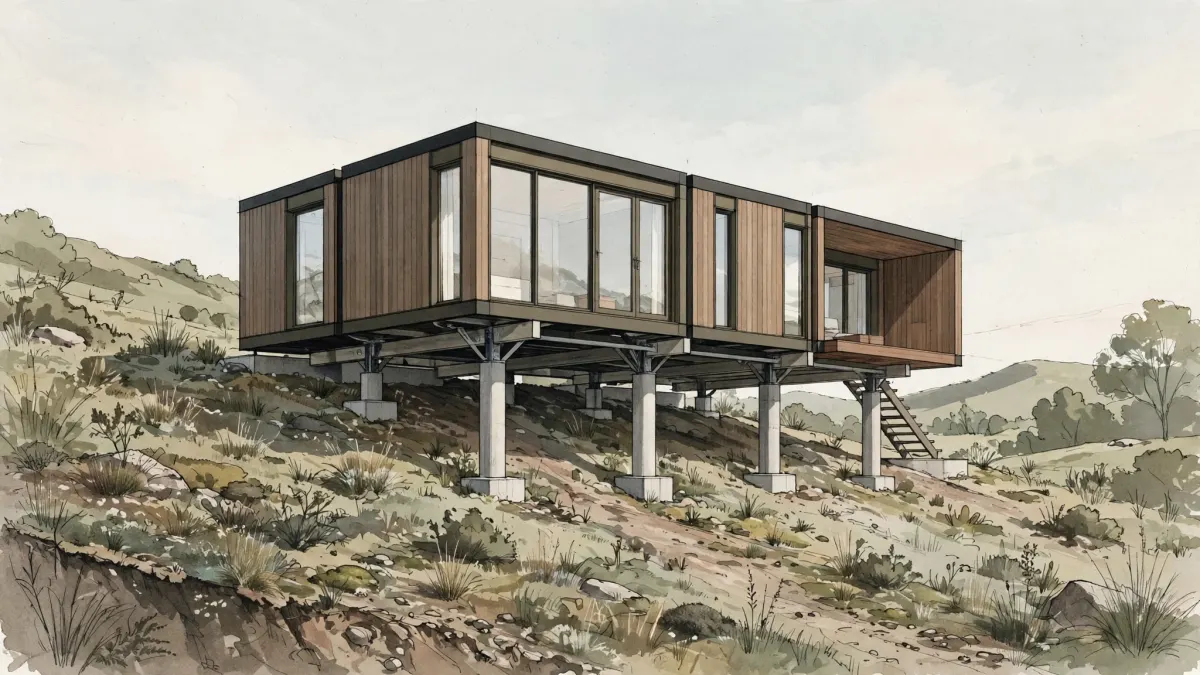
Removing the cabin may leave foundations, piles, slabs, anchors, buried services, drainage changes, access tracks, landscaping alterations, or waste. The lease may describe a handback condition broadly, while a site plan or consent letter specifies particular works. Ask the landlord to identify the restoration baseline and have the lease adviser explain how it is measured. Confirm whether the baseline is the site’s condition at handover, a later agreed plan, or another recorded condition.
Before work begins, create a dated record of the parcel: photographs, a survey where appropriate, visible services, paving, vegetation, drainage features, boundary markers, and pre-existing damage. Agree which temporary works may remain and which must be removed, subject to local authority requirements. Ask whether foundations should be extracted, cut down, capped, or left in place; do not assume one approach is acceptable. A local engineer should advise on structural and environmental implications, while the relevant authority determines applicable site and safety requirements.
Early termination changes the project model
A lease can end earlier than the expected operating horizon for reasons described in the contract or applicable law. Do not assume a cabin investment is protected merely because the lease has a stated end date. Ask local counsel to explain any landlord or tenant break option, redevelopment or sale provision, default process, casualty clause, compulsory acquisition language, and termination rights if access or services are disrupted. The effect depends on the exact drafting and governing law.
Model several scenarios before committing: the lease runs its full term; a renewal is available and exercised; the landlord exercises a valid break; the tenant leaves after a business change; or a site event makes continued use impractical. For each scenario, identify the remaining asset, removal costs, restoration work, outstanding finance or supplier obligations, employee or guest relocation needs, and whether the cabin can be reused elsewhere. This is commercial planning, not a prediction of legal outcomes.
Ownership, fixtures and improvements need clarity
Identify who owns the cabin, foundations, utility equipment, decks, external stairs, tanks, fencing, and other additions throughout the lease and at its end. The answer may differ by item and may depend on attachment, the lease definition of improvements, and the law governing fixtures. Do not assume that a unit remains the tenant’s removable personal property simply because it was bought from a factory or can technically be moved.
Review clauses on alterations, tenant improvements, landlord fixtures, trade fixtures, consent, surrender, and abandoned property. Ask whether written landlord consent must state that an item may later be removed, whether removal depends on repairing damage, and whether an improvement becomes the landlord’s property at installation or expiry. If a cabin is financed, leased onward, or supplied under a hire arrangement, confirm that the lease and finance documents do not conflict over ownership, access, removal, or enforcement rights.
Access, services and shared infrastructure
A cabin’s location may be unusable if delivery vehicles cannot reach it, installation equipment cannot work safely, or services cannot be maintained during the lease. Check whether the lease grants access for abnormal loads, cranes, contractors, maintenance teams, emergency services, and eventual removal. Confirm route restrictions, gate hours, road load limits, turning areas, temporary closures, parking, security procedures, and responsibility for damage to shared roads. Ask the landlord to identify access rights that are revocable, conditional, or shared with other occupiers.
Map each service from the cabin to its connection point: electricity, water, wastewater, communications, fuel where applicable, stormwater, and fire-service access. The lease may allocate maintenance or interruption responsibilities, but the exact allocation must be confirmed in signed documents and with local professionals. Determine who owns meters, cables, pipes, distribution boards, tanks, pumps, and connection points; who may inspect or repair them; and who pays for upgrades or reinstatement.
Insurance, damage and risk allocation
The lease may require the tenant, landlord, or both to maintain insurance, but the policies, insured parties, limits, deductibles, and evidence must be checked in the actual lease and with a licensed local broker. Ask whether the cabin is treated as a building, tenant property, equipment, or another category for the proposed cover. Clarify who insures foundations, site improvements, contents, business interruption, public liability, contractor work, and the period when the cabin is in transit or being installed.
Review provisions about damage by fire, storm, flood, accidental impact, or another event. Ask who must notify the other party, who controls repairs, whether rent or other obligations continue, what happens if the site cannot be used, and whether the lease provides a termination route. These are document-specific questions, not universal outcomes. A policy may contain exclusions, conditions, or limits that do not match the lease wording; ask the broker to compare them rather than assuming a certificate of insurance settles the issue.
Renewal, assignment, subletting and sale
The business plan may depend on continuing to use the same land, transferring the operation, or selling the cabin separately from the lease. Check renewal options, rent review mechanisms, notice deadlines, conditions for exercising an option, and landlord consent requirements. Ask counsel whether an option can be exercised by a successor or only by the original tenant, and what happens if the tenant changes its legal structure or sells the operating business.
Assignment and subletting deserve separate attention. A buyer may want to sell cabins, license spaces to operators, host a third-party service provider, or transfer the lease as part of a business sale. The lease may treat these activities differently. Confirm whether consent is required, what information the landlord may request, whether consent can be conditional, and whether the outgoing tenant remains liable after a transfer. Do not assume selling the physical cabin automatically transfers the right to keep it on the site.
A pre-order lease review workflow
Organize the review around decision gates. First, collect the signed lease, amendments, plans, consent letters, estate rules, service agreements, and handover record. Second, ask local counsel to identify permitted use, installation consent, term and break provisions, removal, restoration, ownership, insurance, assignment, and dispute procedures. Third, ask a local planner or permitting professional to check the proposed use and site pathway with the relevant authorities. Fourth, have an engineer and installation contractor review foundations, anchoring, access, service routes, and eventual removal.
Only then should the buyer freeze the cabin layout and specification. Give the manufacturer a written brief identifying intended use, site conditions supplied by the local team, required dimensions, transport constraints, connection interfaces, and requested documents. Ask the factory to distinguish confirmed product information from assumptions or items requiring local design. Do not ask the factory to certify a destination site or promise local approval.
A document pack for the factory and local team
Before ordering, assemble a controlled project file. The lease folder should contain the executed lease and amendments, site plan, written landlord consents, access rules, utility agreements, handover condition record, and the lawyer’s issue list. The destination folder should contain the proposed use description, planning and building correspondence, local professional contacts, site survey, geotechnical or drainage information if obtained, foundation design responsibility, utility connection plan, and permit and inspection schedule. The manufacturer folder should contain the current quotation scope, drawings, material descriptions, transport dimensions, lifting and handling information, installation interfaces, exclusions, and revision history.
Create a responsibility matrix naming the party responsible for each action. Foundations, local installation, utilities, permits, inspections, and final approval belong to the destination-side project team and relevant local authorities, not the factory. The factory may supply product data and agreed manufacturing documents, but the buyer should not treat those documents as local permits or approvals.
Sources
Sources reviewed on November 13, 2026.
- DLA Piper, “Use by the tenant in United States — Commercial leases.” A jurisdiction-specific overview explaining that lease terms govern alterations and that local laws may separately require approvals. https://www.dlapiperrealworld.com/law/index.html?c=US&s=managing-leased-real-estate&t=commercial-leases
- Contra Costa County Bar Association, “Top Ten Tips for Reviewing a Commercial Lease.” A practical checklist covering alterations, landlord consent, repairs, surrender, and restoration questions. https://www.cccba.org/flyer/2022/tips-for-reviewing-commercial-lease.pdf
- Florida Department of Business and Professional Regulation, “Building Codes and Standards — FAQs.” A Florida-specific example distinguishing manufactured building matters from site work, foundations, utility connections, local permitting, and inspections. https://www2.myfloridalicense.com/building-codes-and-standards/faqs/
- International Code Council, 2023 Florida Building Code, “Chapter 1: Scope and Administration.” An example of site inspection topics for manufactured buildings in a particular adopted code context; local adoption and applicability must be checked. https://codes.iccsafe.org/content/FLBC2023P2/chapter-1-scope-and-administration
- Florida Senate, 2026 Florida Statutes, section 553.79. An example of Florida’s statutory permit and inspection framework, not a statement of requirements elsewhere. https://www.flsenate.gov/Laws/Statutes/2026/553.79