Treat seasonal closure as a controlled operating phase
Closing a seasonal cabin site is not simply a matter of locking the doors when the last guest leaves. An unoccupied site has different risks from a building that remains heated and in use: water can remain trapped in pipework, equipment may sit idle, drainage can be obstructed, pests can enter, alarms may lose power or communications, and small leaks may go unnoticed for months. A planned shutdown reduces uncertainty by assigning each system a defined end-of-season condition and a person responsible for verifying it. Start with the actual site inventory. List every cabin and shared facility, the water source, distribution lines, hot-water equipment, pumps, filters, toilets, wastewater system, heating plant, electrical panels, fuel storage, fire protection, security equipment, and any external irrigation or hose connections. Record which systems are shared and which are isolated to individual units. A single site may contain different equipment types or installation revisions, so a generic checklist should be adapted to the installed assets. The shutdown plan should be written for the expected climate, vacancy period, utility reliability, and available monitoring.
Choose a drain-down or controlled-protection strategy
There is no universal instruction to drain every system or to keep every cabin heated. The correct approach depends on local design, expected temperatures, pipe routing, equipment instructions, power reliability, fire and life-safety systems, and length of vacancy. A complete drain-down may be appropriate for some domestic water circuits, while other equipment may require a specific residual water level, a manufacturer-approved procedure, or specialist service. A controlled-heating strategy may be considered where it is designed, monitored, and supported by reliable energy and alarm arrangements. The decision should be made system by system. Separate potable-water pipework from heating circuits, fire protection, wastewater equipment, and appliances. Identify low points, dead legs, check valves, flexible hoses, mixing valves, pumps, filters, water-treatment devices, and concealed sections where water could remain. A drawing that shows the intended route may not reveal every installed trap or later modification; the local plumber should verify the actual installation. Do not improvise by adding automotive antifreeze, salt, or an unapproved chemical to potable-water or wastewater systems. Use only products and procedures explicitly permitted by the equipment manufacturer and local rules, and only in the systems for which they are intended.
Isolate the water supply and drain the distribution network
A typical domestic-water closure begins by identifying the correct incoming isolation point and confirming what it serves. The operator should notify the site manager, identify shared users or neighbouring properties, and follow the water provider's requirements before closing a meter or service valve. Once the supply is isolated, a qualified person can use the installed drain points and outlet sequence specified for the system to release water. Opening selected taps may admit air and help the network empty, but the correct order depends on pipe layout, valves, pressure equipment, and manufacturer instructions. Pay attention to low points and branches that do not drain by gravity. Outdoor taps, shower hoses, appliance feeds, toilet cisterns, filter housings, pump bodies, and flexible connectors can retain water even when the main line appears empty. Do not assume that opening the lowest visible tap clears a concealed run. Where compressed air is part of an approved procedure, the pressure and method must be set by a qualified plumber; excessive pressure can damage components or create a hazard. After draining, leave valves and taps in the condition specified by the system designer or service professional, and label isolated sections. Protect open connections from dirt, insects, and accidental reconnection.
Deal separately with water heaters, pumps and appliances
Water heaters need their own shutdown procedure. Identify the heater type, energy source, isolation points, relief arrangements, and manufacturer instructions. Electric heaters should not be energized when their tank is empty or insufficiently filled; doing so can damage equipment and create a safety risk. Gas appliances require the appropriate gas isolation and any recommissioning checks specified by the manufacturer and local rules. Draining a tank may also require a safe cooling and pressure-relief sequence, so it should not be improvised by an untrained operator. Pumps, pressure vessels, filters, softeners, ultraviolet treatment units, and water dispensers can contain water in housings or internal passages. Some need draining, some need a specified storage condition, and some require removal or service by a technician. Document filter cartridge status and consumables that must be replaced before reopening. For refrigerators, washing machines, dishwashers, ice makers, and other appliances, follow the appliance manual rather than assuming the building's main drain-down is sufficient. Toilets and traps need particular attention because water can remain in cisterns, bowls, trap seals, and small feed lines. The correct method varies by fixture and wastewater arrangement.
Protect wastewater, septic and greywater systems appropriately
Wastewater systems should not be treated as empty plumbing. A septic tank, holding tank, pump chamber, treatment unit, grease trap, or greywater system has its own operating requirements. Routine winter closure does not automatically mean that a septic tank should be pumped dry. Pumping decisions depend on system design, accumulated solids, groundwater conditions, tank condition, and advice from the responsible septic professional. In some settings, removing liquid without considering groundwater can create structural or flotation risks. Before closure, inspect accessible lids, risers, alarms, pumps, electrical connections, vents, cleanouts, and visible pipework. Repair leaks or damaged covers and record slow drainage, odour, alarms, or wet ground observed during the season. Keep vehicles and stored materials away from drainfields and other areas that should not be compacted. Do not discharge untreated wastewater onto the ground or into a stormwater system as a shortcut for emptying the site. For packaged treatment equipment or pump-based systems, follow the manufacturer's shutdown and winter-storage instructions. Some systems need power to protect components or maintain a required process; others may need a professional service visit.
Manage electricity, heating, fuel and life-safety equipment
Electrical shutdown should be selective, documented, and performed by someone competent to identify the circuits. Switch off nonessential loads such as guest-room convenience equipment where appropriate, but do not casually isolate systems that protect the site: fire detection, security, sump pumps, freeze monitoring, communications, or required ventilation may need power. Label circuits that remain energized and make sure the responsible operator knows why they remain on. If a circuit or appliance has been exposed to water or damage, do not re-energize it until assessed by a qualified electrician. Heating equipment may be shut down, placed in a specified standby mode, or retained at a controlled set point depending on the chosen protection strategy and manufacturer guidance. A vacant building should not rely on an unmonitored heater as its only freeze-protection measure. If heating is retained, define who receives alarms, how power loss is detected, what backup arrangements exist, and what happens when a sensor or communication link fails. Fuel systems require their own closure rules. Shutoff, storage, ventilation, leak checks, and recommissioning depend on the fuel and installed equipment. Never leave improvised heaters or combustion appliances operating unattended.
Inspect the envelope, drainage and external site
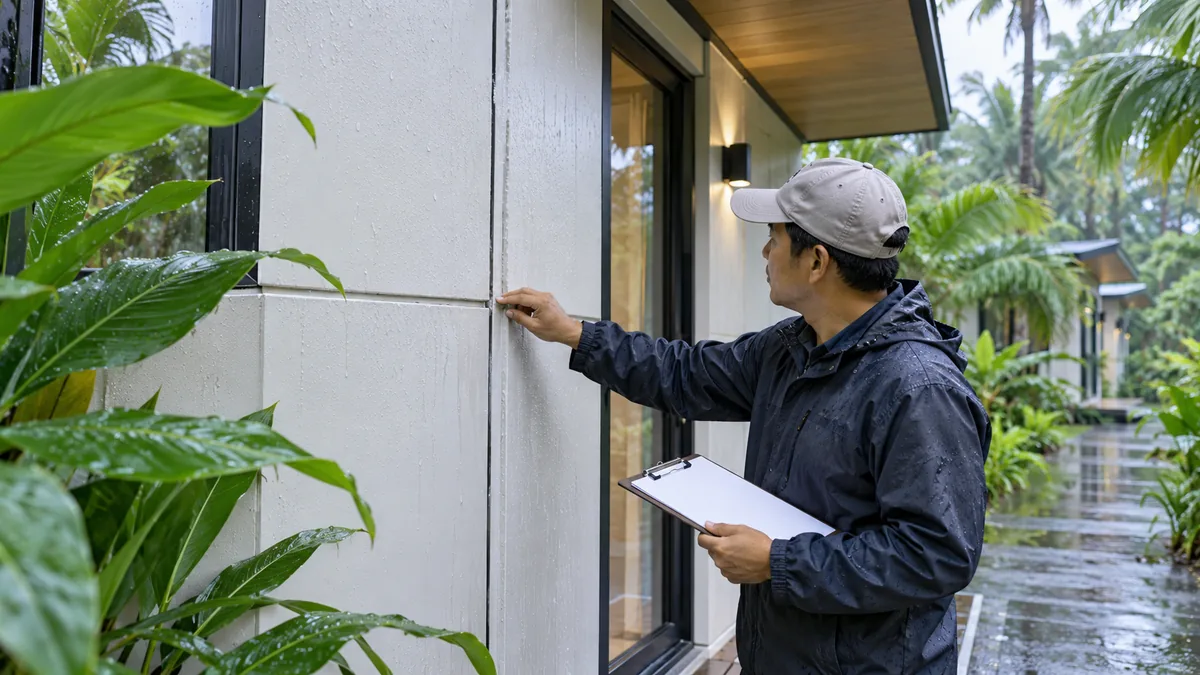
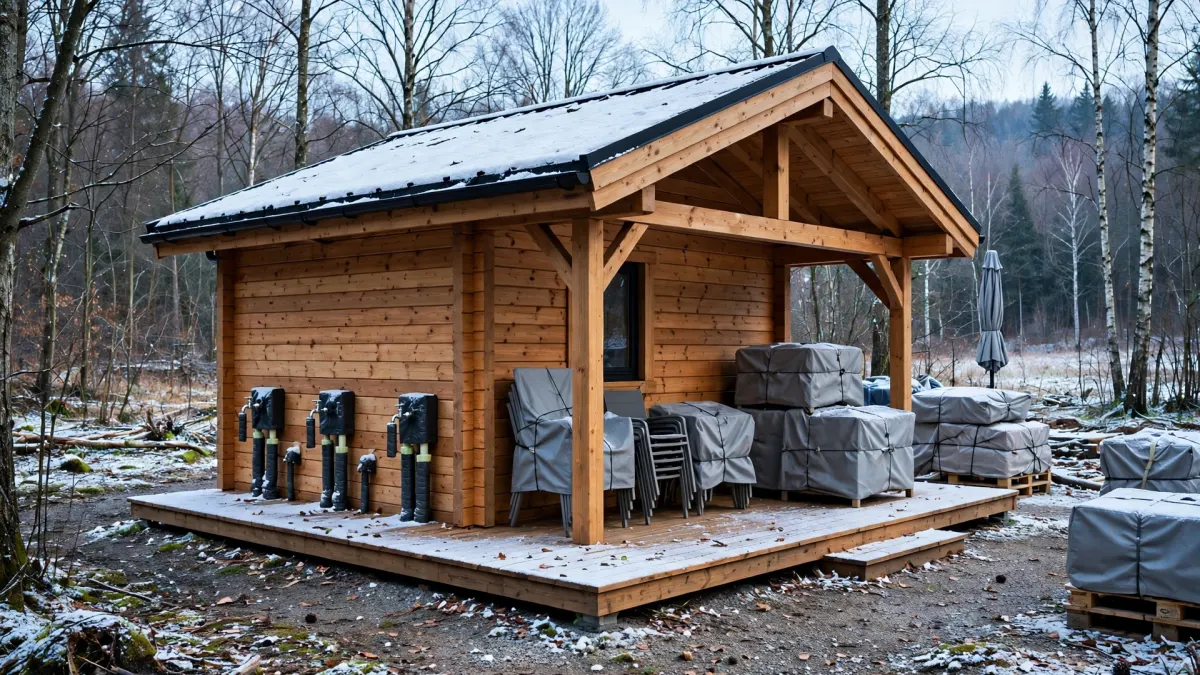
An empty site still receives wind, rain, snow, falling branches, insects, and unauthorised visitors. Before the final lock-up, inspect the roof and accessible exterior surfaces from safe positions, check gutters and downpipes, clear debris from surface drains, and confirm that water is directed away from entrances and foundations. Look for loose cladding, damaged seals, broken glazing, unsecured doors, open service penetrations, and signs of water entry. The objective is to identify defects that could worsen unnoticed during a long vacancy, not to repeat an occupied-winter design review. Remove items that can become windborne or attract pests. Store outdoor furniture, loose equipment, hoses, chemicals, and maintenance materials in designated secure locations. Dispose of food waste and clean cooking areas; empty bins and arrange collection of hazardous or regulated waste through the appropriate service. Close and secure storage sheds, plant rooms, utility cabinets, and access hatches. Do not block ventilation openings that the building or equipment requires. Check the site boundary, gates, locks, lighting, cameras, signage, and emergency access. Confirm that snow or storm response contractors, where used, know which routes and equipment must remain accessible.
Secure the site and create a reliable closure record
Security is an operating control, not just a final turn of the key. Remove or secure portable valuables, tools, fuel, chemicals, spare keys, and documents. Revoke access for seasonal staff and contractors who no longer need it, while retaining a controlled route for emergency responders and authorized maintenance personnel. Update alarm contacts and test the communication path. If the site uses remote cameras or sensors, confirm their power, network connection, data retention, and alert recipients will remain available during the vacancy. Prepare a closure record for each cabin and shared facility. It should identify the asset, date, person completing the task, water and electrical status, heating strategy, equipment condition, outstanding defects, photographs, keys, alarm status, and any system that remains live. Record the position of isolation valves and breakers in a way that a different technician can understand. Attach manuals, service reports, diagrams, and product details for any treatment used in traps or equipment. A single site-level summary should show which units are closed, which have exceptions, and who owns each follow-up. Keep the record in a shared, controlled location with a backup.
Set a proportionate winter monitoring plan
A site that is unoccupied does not necessarily need daily visits, but it does need a risk-based monitoring plan. Frequency and method should reflect local weather, remoteness, security exposure, systems left energized, consequences of a leak or power failure, and availability of a reliable callout service. A cabin with all domestic water safely isolated may have a different monitoring profile from a site that retains heat, pumps, fire protection, or a treatment plant. Define what is monitored remotely and what requires a physical visit. Temperature, power status, water-leak detection, sump alarms, security alerts, and communications may be useful where installed and supported, but sensors are not a substitute for maintenance. Identify the person who receives each alert, the backup contact, the response window agreed with the contractor, and the procedure if the network or monitoring platform goes offline. Test the full alert path before the site closes. After severe weather, flooding, extended power loss, or reports of trespass, arrange an inspection by a competent person before assuming the site remains safe. Do not send staff into a building with suspected gas leakage, damaged electrical equipment, structural movement, or contaminated water.
Reopen in a planned sequence, not all at once
Reopening should begin with a site walk before utilities are restored. Check access roads, drainage, roofs, doors, windows, external service cabinets, signs of forced entry, standing water, fallen branches, animal intrusion, and visible movement or damage. Confirm that the site is safe to enter and that emergency access is available. If flooding, freezing, fire, or vandalism may have affected a system, stop and obtain a professional assessment before switching it on. Use the closure record as the reverse checklist, but do not assume every item is simply reversed. Confirm that temporary caps and protective covers are removed, valves are in the correct operating position, filters and cartridges are serviceable, appliances are correctly reconnected, and removed components are reinstalled. Water heaters must be filled and checked according to their instructions before power or fuel is restored. A qualified electrician or gas technician should complete work that requires their trade competence. Restore services in controlled stages so leaks, abnormal pressure, electrical faults, odours, or alarms can be identified before cabins are occupied. Keep each cabin isolated until its own checks are complete; opening one shared supply does not prove every branch is sound.
Verify water quality, sanitation and equipment before use
A water system that has been idle may need flushing, disinfection, sampling, or other treatment based on its source, design, length of stagnation, and local public-health guidance. Do not assume that clear-looking water is safe to drink. If the site uses a private well, the owner should follow the relevant health authority's testing advice and use a qualified laboratory or service provider where required. The CDC notes that private-well owners are responsible for maintaining and checking their water; local rules and well type determine the appropriate procedure. Inspect the water source, wellhead or service entry, storage tanks, filters, treatment equipment, taps, and visible pipework. Look for damage, contamination pathways, unusual odour, sediment, leaks, or evidence of freezing. Flush and disinfect only using a method appropriate to the system and approved by the responsible authority or professional. If water quality is uncertain, keep it out of drinking and food preparation use and provide an alternative until the issue is resolved. Test toilets, showers, hot water, drains, pumps, alarms, and wastewater equipment under controlled conditions. Check for slow drainage, backup, odour, wet ground, leaks, or abnormal pump cycling.
Complete a documented handover to the next operating team
The final reopening decision should be based on a unit-by-unit and site-wide handover. The record should identify which cabins are ready for the next operational stage, which remain restricted, what defects are open, what inspections or test results are outstanding, and who accepted responsibility for each item. Include local contractors, service providers, emergency contacts, and the person authorized to reopen accommodation. Where a professional inspection or authority sign-off is required, keep the actual document and its scope rather than summarizing it as “approved.”
Review operator information before the first guest or staff member arrives. Confirm emergency shutoffs, fire and evacuation arrangements, water-use guidance, waste procedures, appliance instructions, heating controls, and the process for reporting a fault. Replace expired supplies, restock maintenance items, and ensure access keys and codes are issued under the site's security procedure. If equipment or layouts changed during the off-season, update drawings and asset records so staff are not relying on obsolete information. This process links seasonal closure with broader operating discipline: condition records, equipment logs, work orders, and clear responsibility.
Sources
Sources reviewed on November 13, 2026.
- Denver Water, Cold Weather Tips — guidance on draining irrigation and exterior taps and winterizing vacant buildings. https://www.denverwater.org/residential/services-and-information/troubleshooting-and-repairs/cold-weather-tips
- Washington Suburban Sanitary Commission, Winterization and Shutoff Valves for Hose Connections — local plumbing-code guidance on drain points, vacuum relief, and seasonal piping. https://www.wsscwater.com/sites/default/files/2021-04/GCC_1.pdf
- University of Minnesota Extension, Keep Your Home Warm and Safe in Winter — cautions on unused pipes, frozen plumbing, and safe equipment operation. https://extension.umn.edu/community/family-and-wellness/managing-money/keep-your-home-warm-and-safe-in-winter
- U.S. Environmental Protection Agency, Frequent Questions on Septic Systems — owner responsibilities, inspection, maintenance, and local permitting. https://www.epa.gov/septic/frequent-questions-septic-systems
- U.S. Environmental Protection Agency, How to Care for Your Septic System — inspection, pumping decisions, maintenance records, and professional service. https://www.epa.gov/septic/how-care-your-septic-system
- Centers for Disease Control and Prevention, Well Water Safety — private-well maintenance and testing responsibilities. https://www.cdc.gov/drinking-water/safety/
- MK Mobile House, Cold-Climate Modular Cabins: Insulation, Snow Load, and Freeze Protection — the separate topic of occupied winter use; this article focuses on unoccupied seasonal closure and reopening. https://mkmobilehouse.com/blog/cold-climate-modular-cabins-insulation-snow-freeze-protection/
- MK Mobile House, The First 12 Months: A Modular Cabin Operator's Playbook — operating records, handover, maintenance logs, and seasonal routines. https://mkmobilehouse.com/blog/first-12-months-modular-cabin-operator-playbook/